
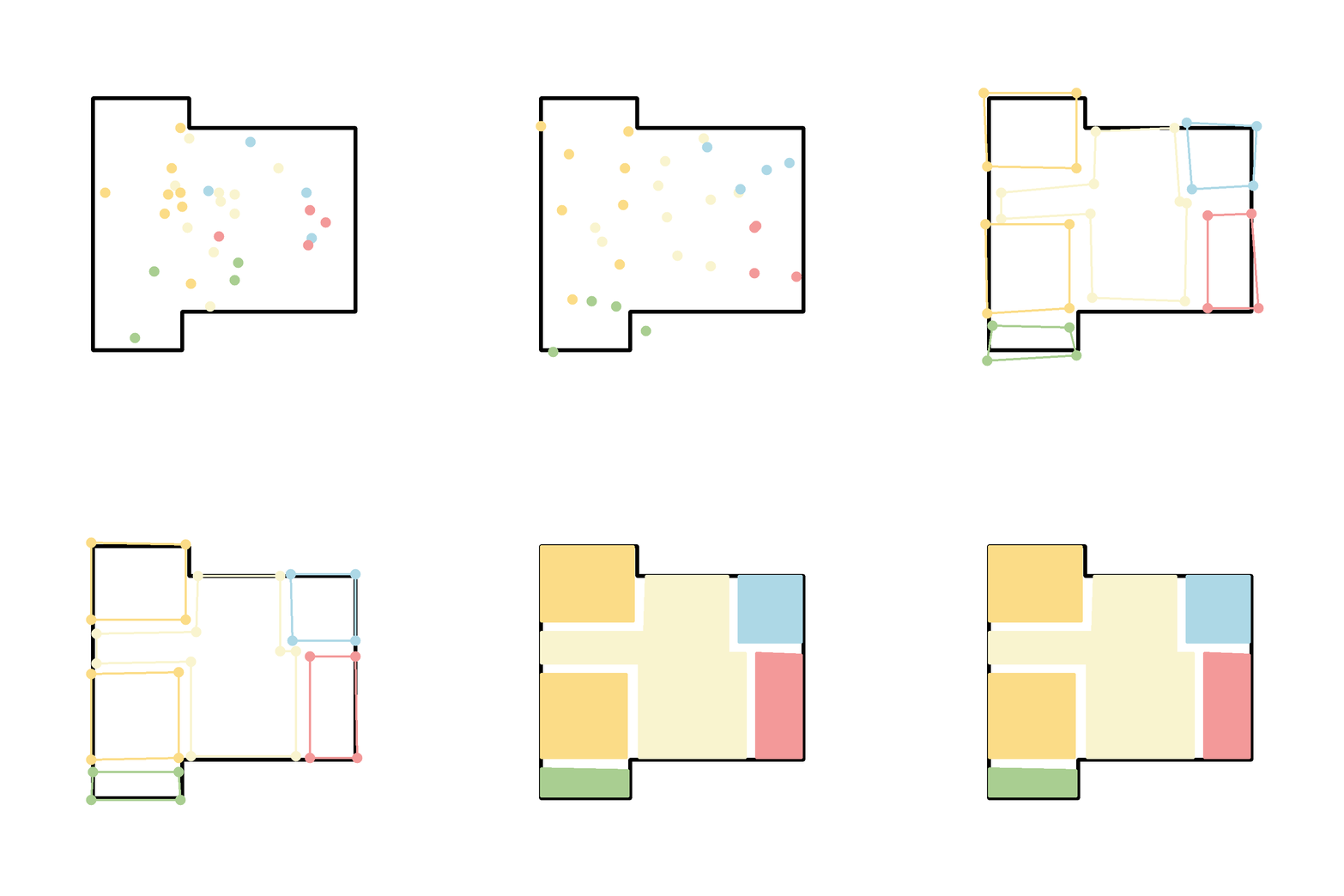
Generation prompt:
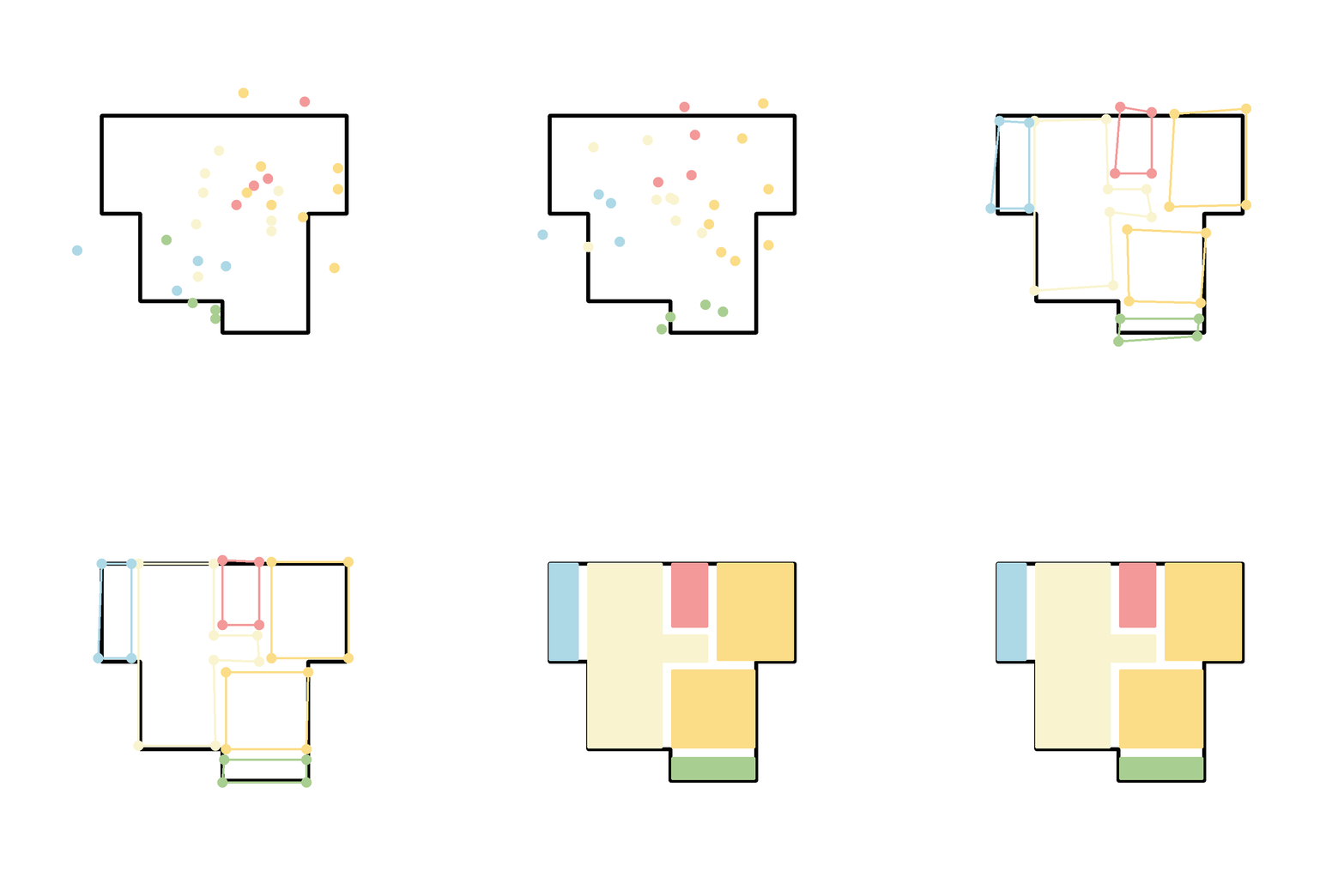
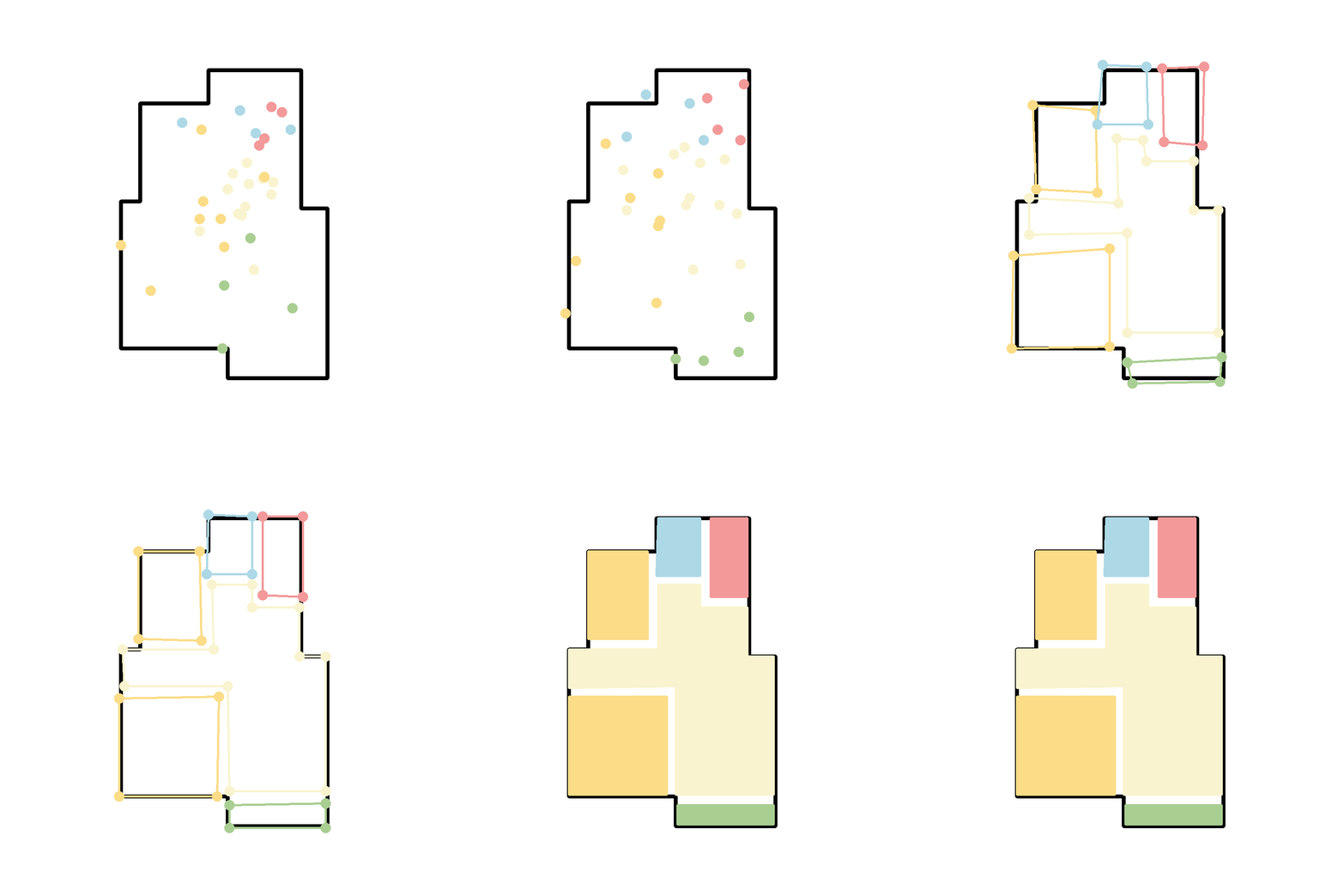
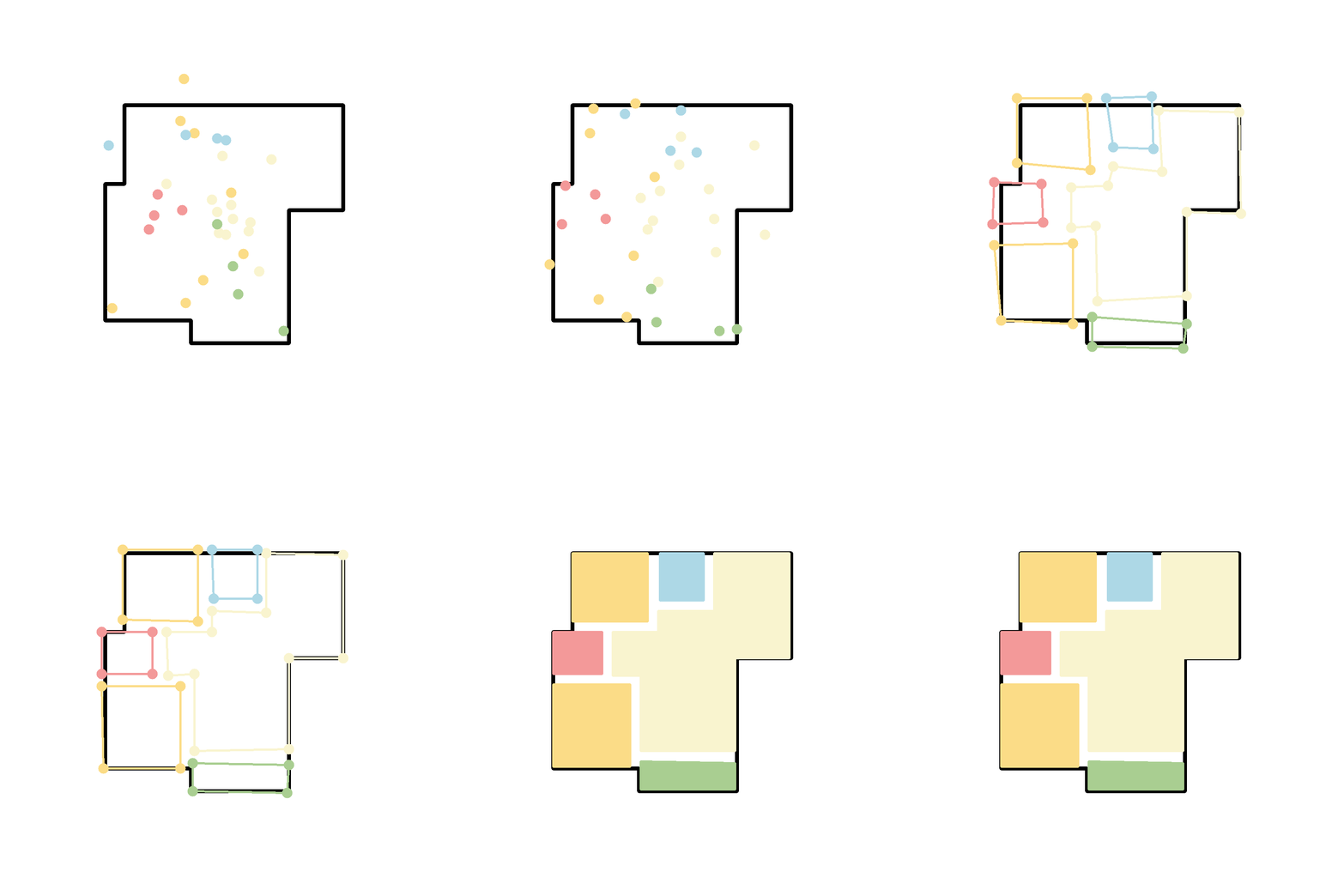
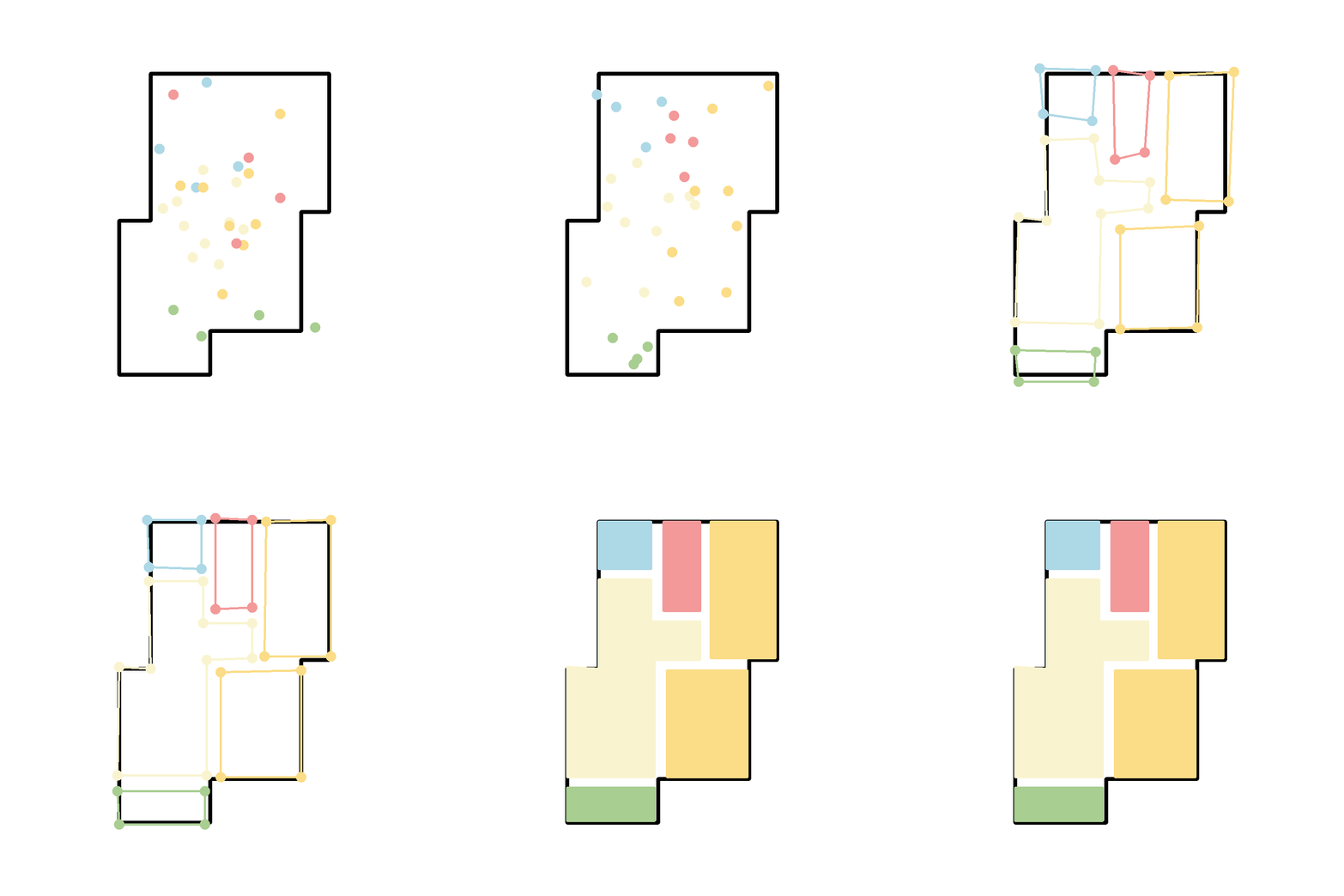
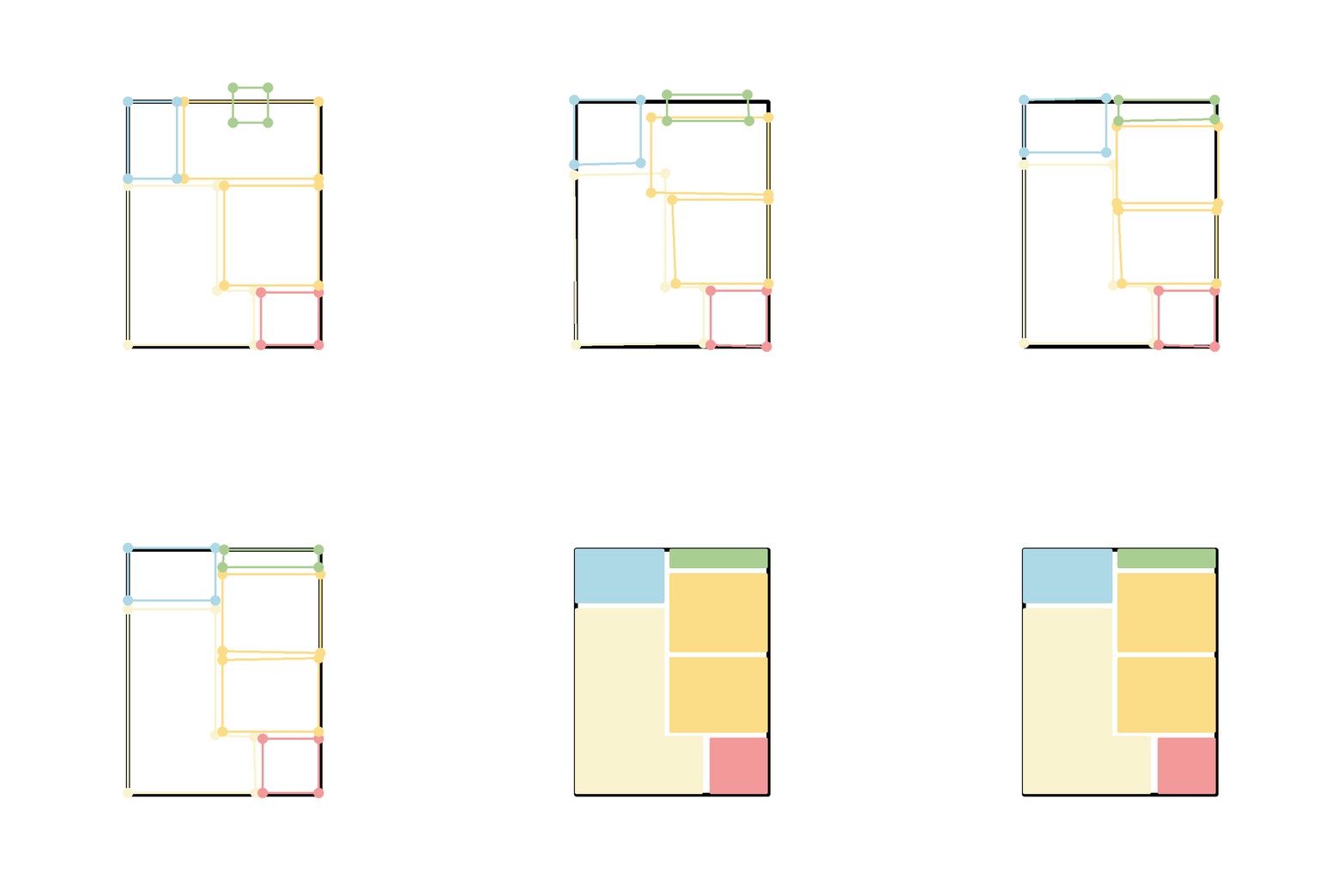
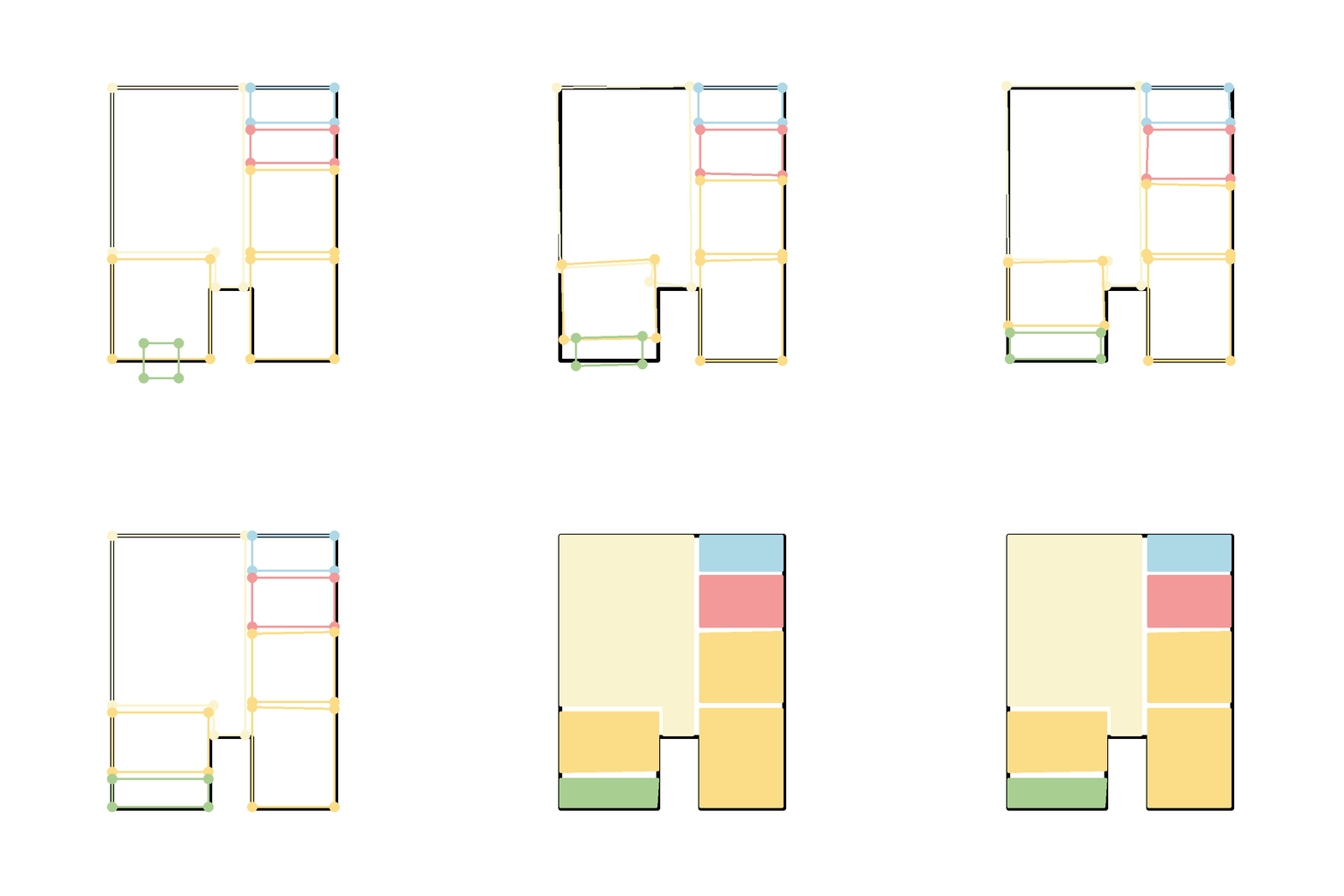
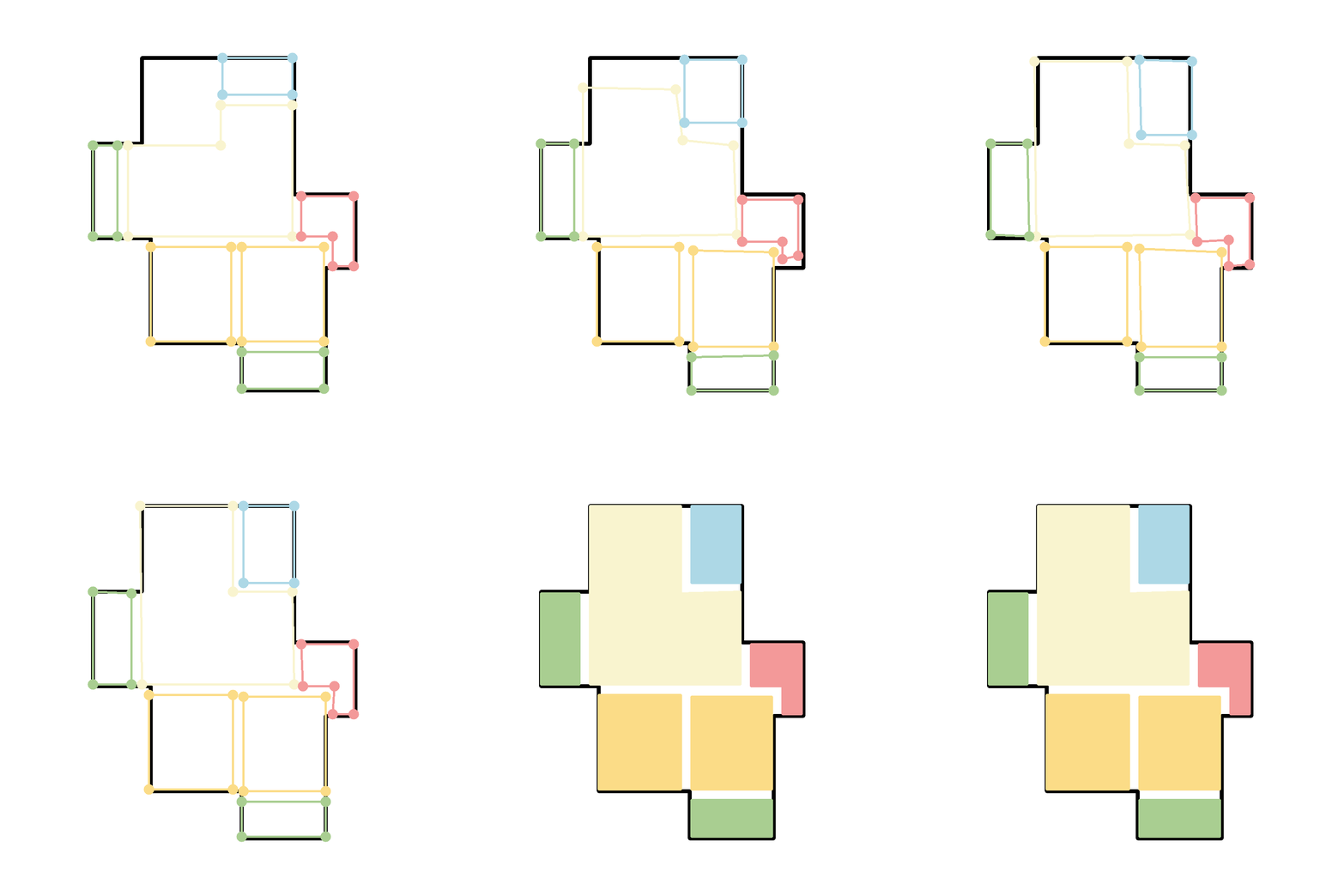
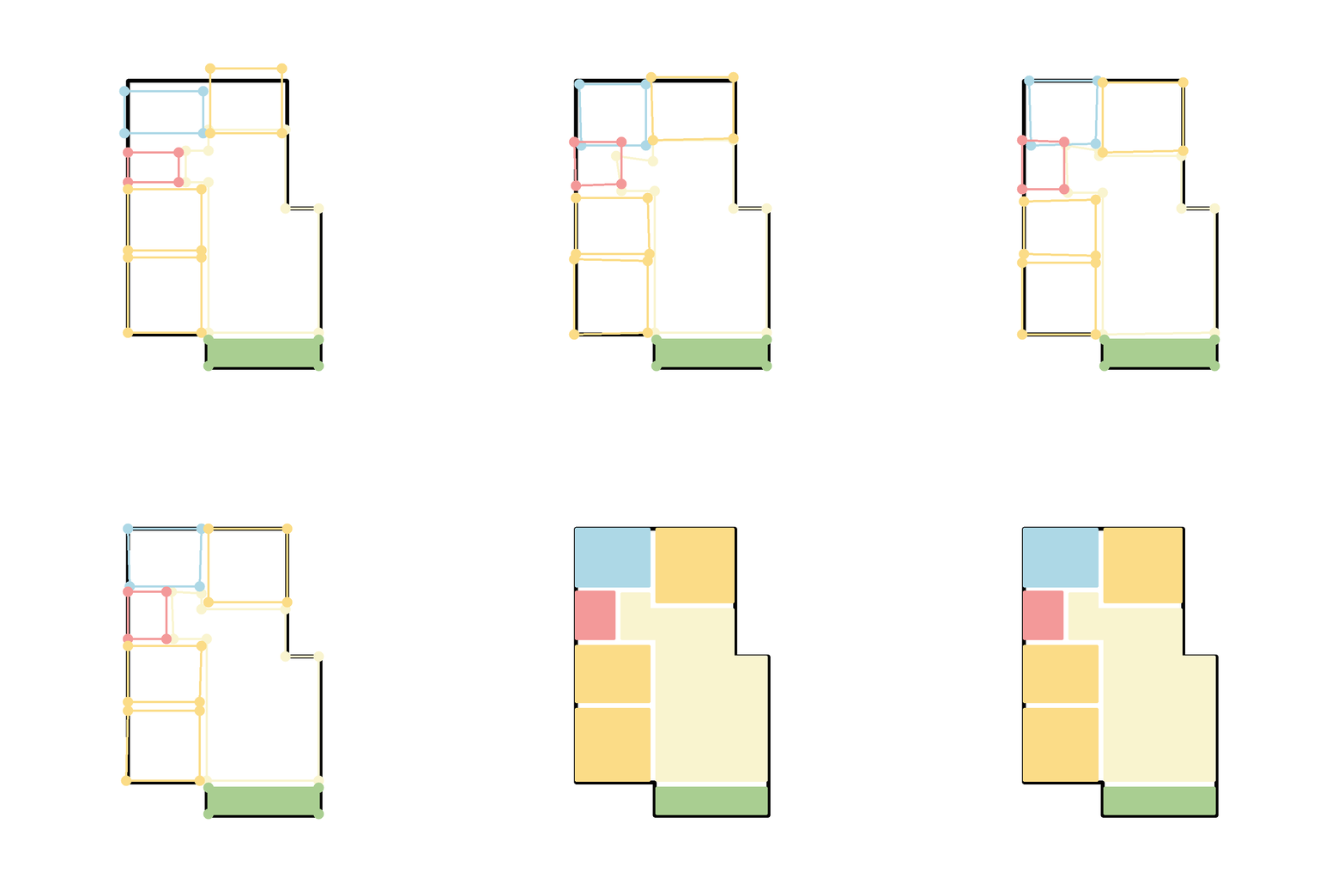
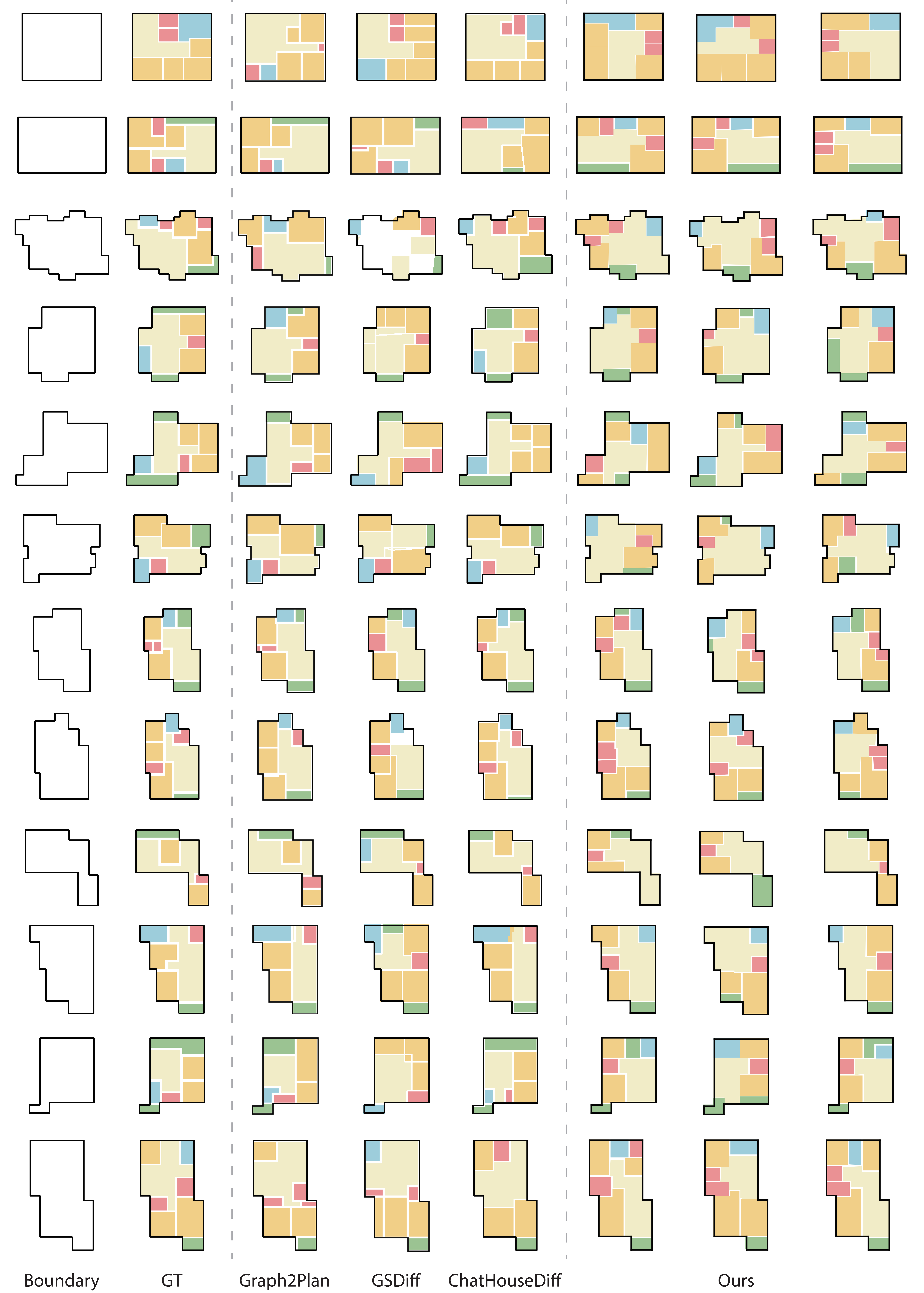
Create a floor plan with one living room, two bedrooms, one kitchen, one bathroom, and one balcony.
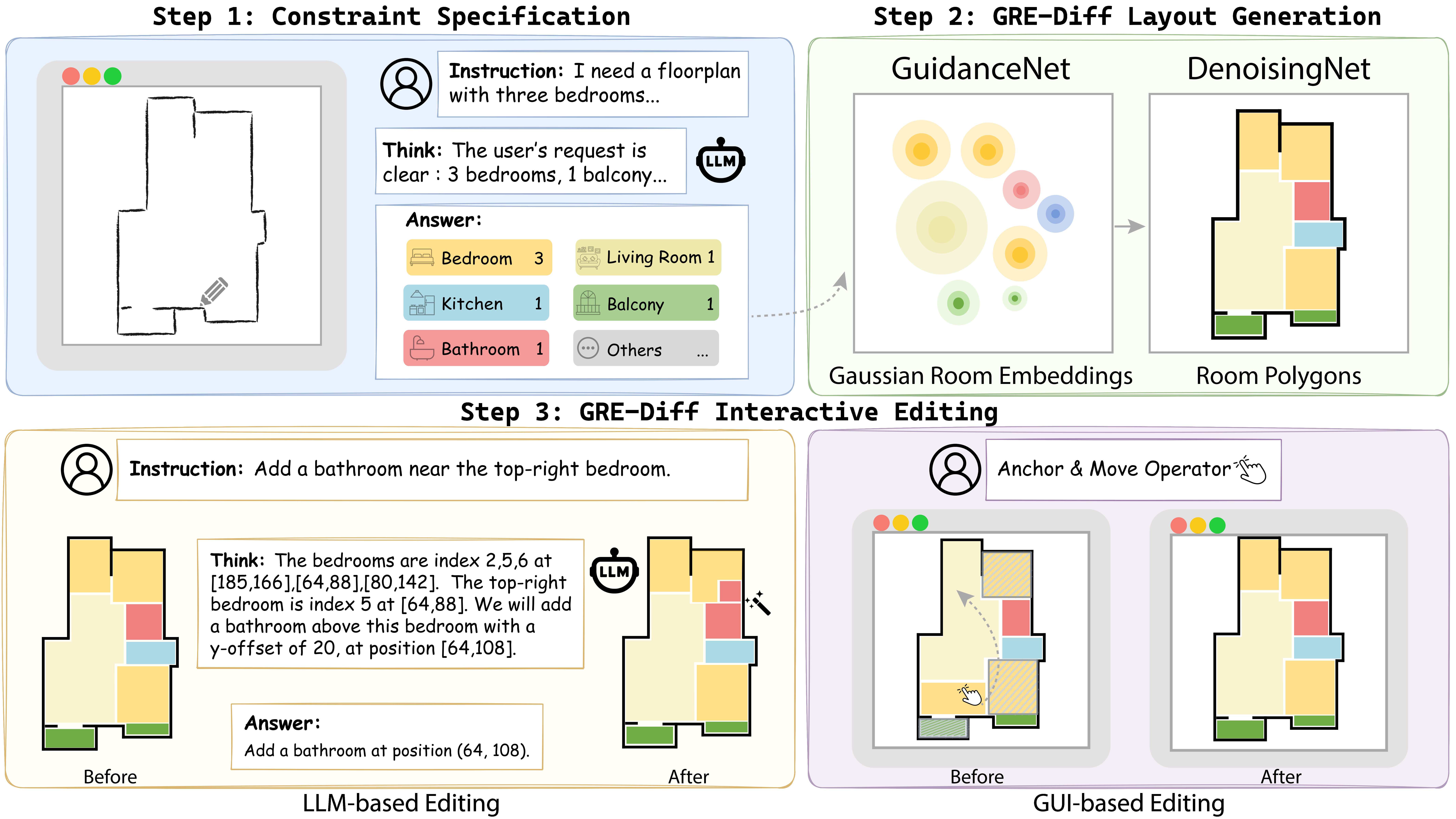
Designing functional and aesthetically coherent floor plans requires exploring a vast space of possible room arrangements, a task that quickly becomes overwhelming for human designers.
In this paper, we propose GRE-Diff, a controllable and interactive diffusion-based framework that automates the creation and editing of apartment floor plans under user-specified constraints. By combining AI-generated suggestions with real-time, human-in-the-loop editing, the system enables users to specify room types, room counts, boundary shapes, and editing operations through LLM-parsed instructions or GUI-based interaction. It then generates a diverse set of plausible and well-structured designs for refinement. At the core of our approach is Gaussian Room Embedding (GRE), a continuous latent representation that models each room as a spatial Gaussian distribution capturing its location and extent.
Extensive experiments on the RPLAN dataset show that GRE-Diff produces high-quality, constraint-aware, and editable polygonal layouts, offering a practical step toward bridging AI-driven automation and human creativity in spatial design.
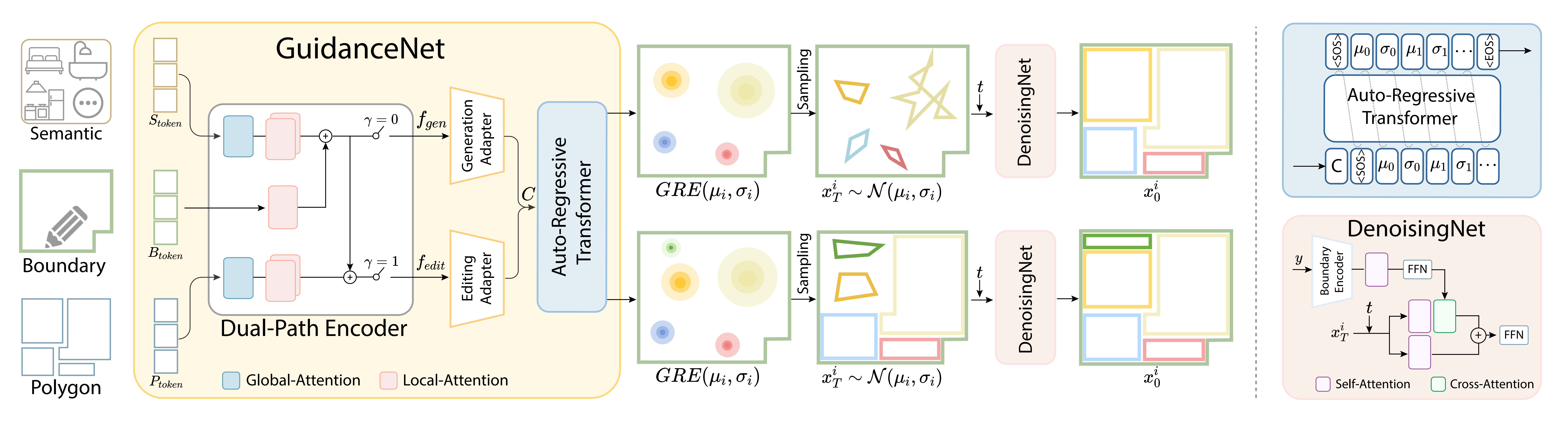
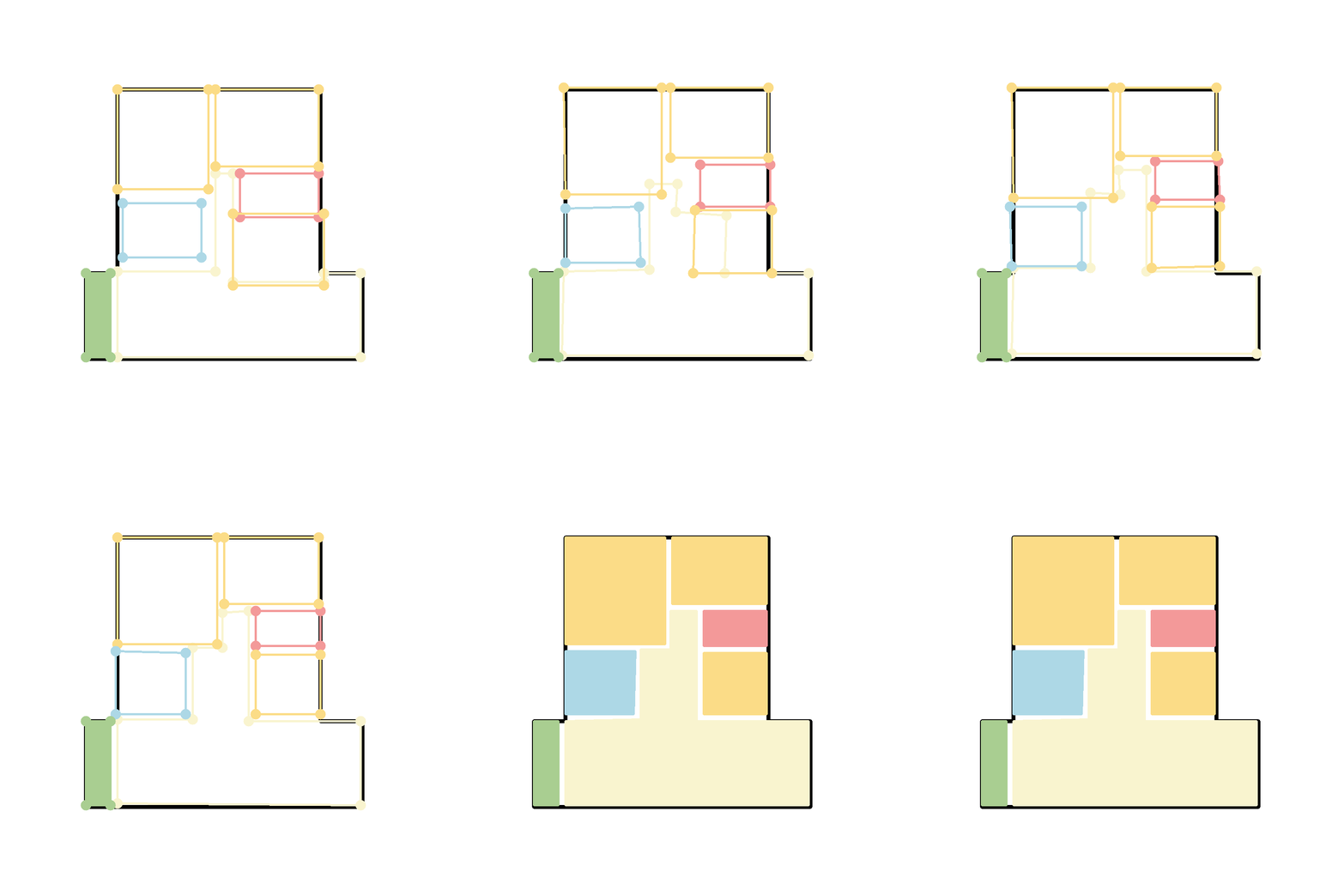
GuidanceNet encodes semantic \(S_{\text{token}}\), boundary \(B_{\text{token}}\), and polygon \(P_{\text{token}}\) conditions to predict Gaussian room embeddings \((\mu_i, \sigma_i)\). Samples drawn from \(\mathcal{N}(\mu_i, \sigma_i^2 I)\) serve as diffusion initialization and are iteratively refined by DenoisingNet under boundary constraints to generate vectorized layouts \(x_0^i\). The resulting layouts can be re-encoded as polygon tokens, enabling iterative refinement and interactive editing.
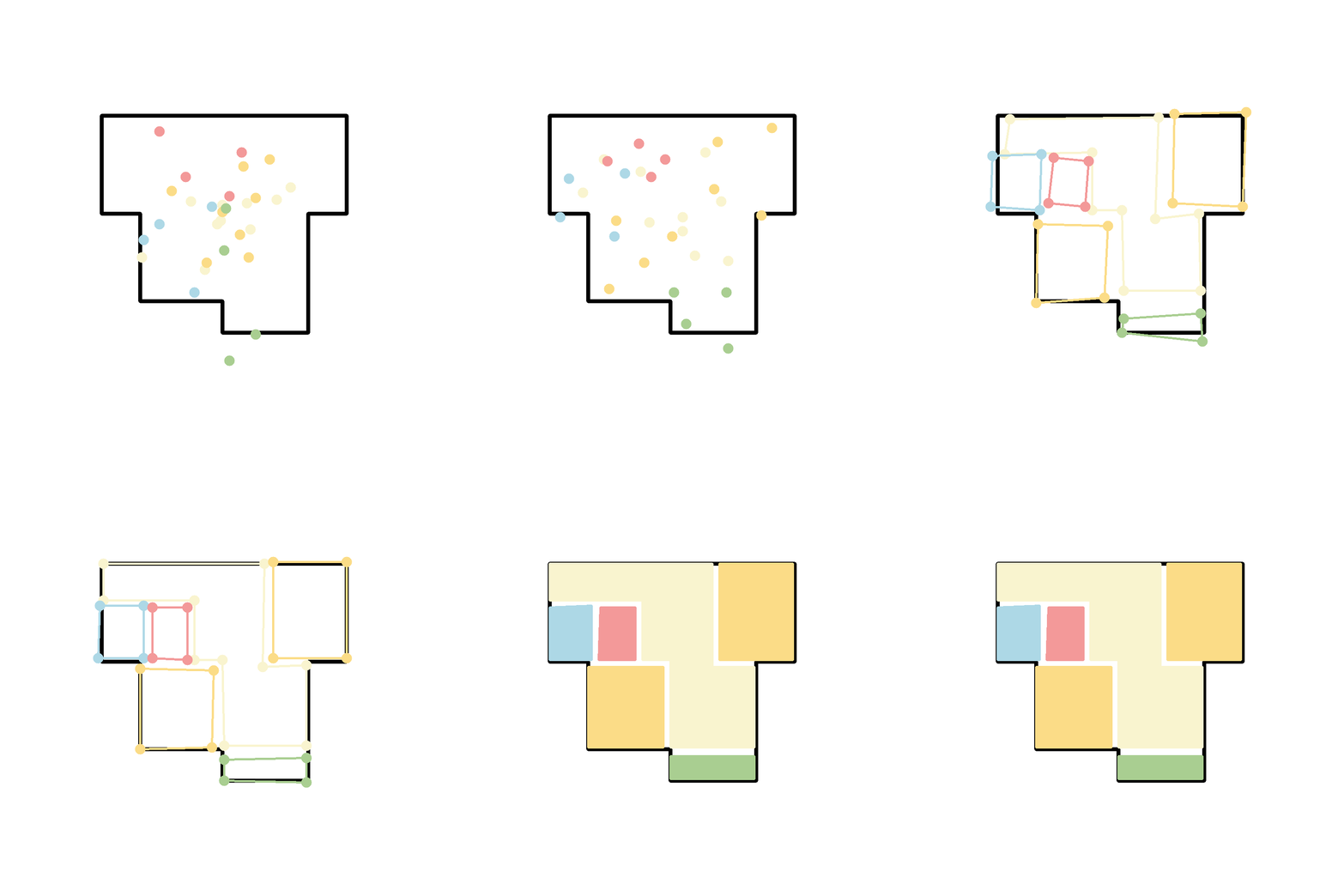
Generation prompt:
Create a floor plan with one living room, two bedrooms, one kitchen, one bathroom, and one balcony.
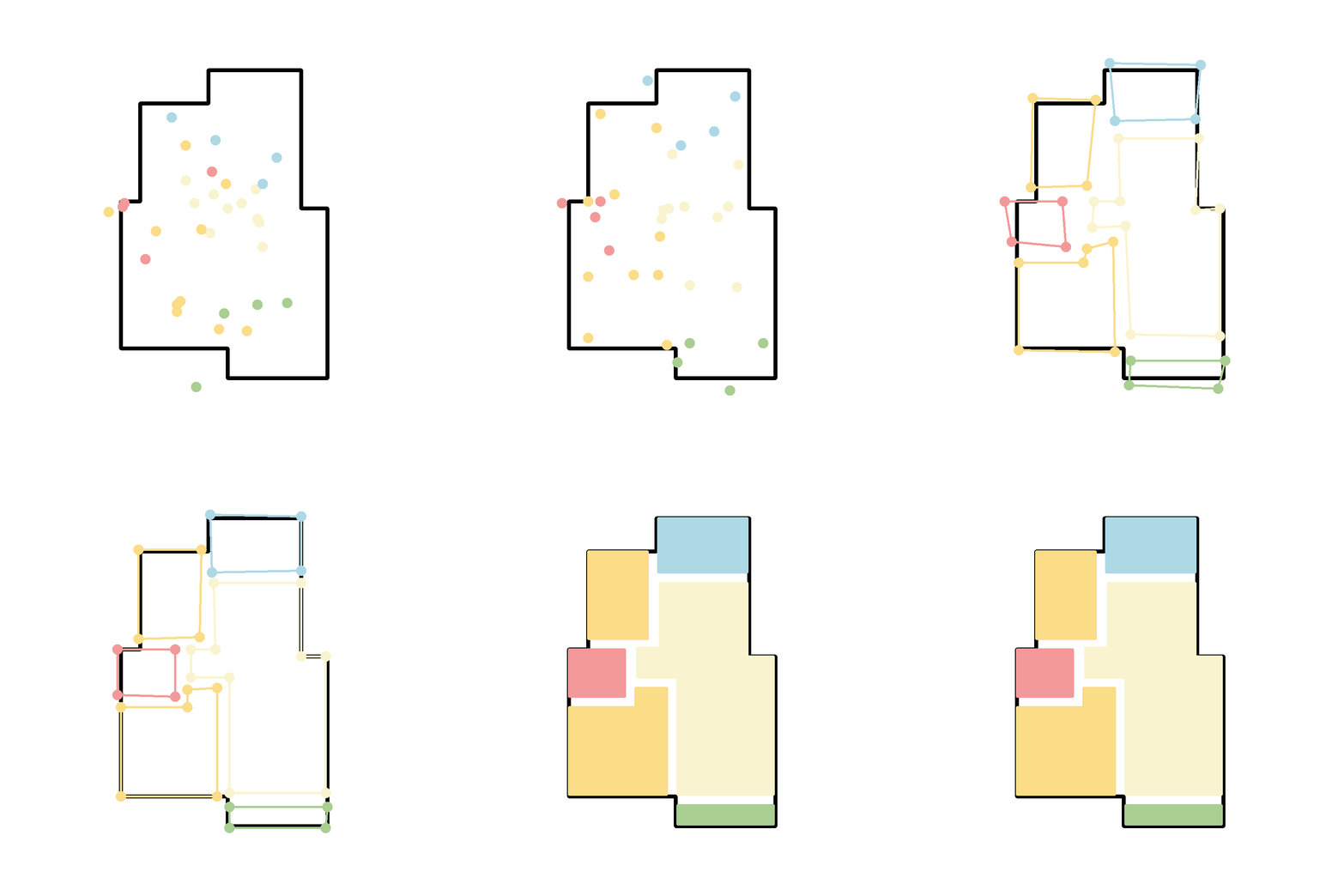
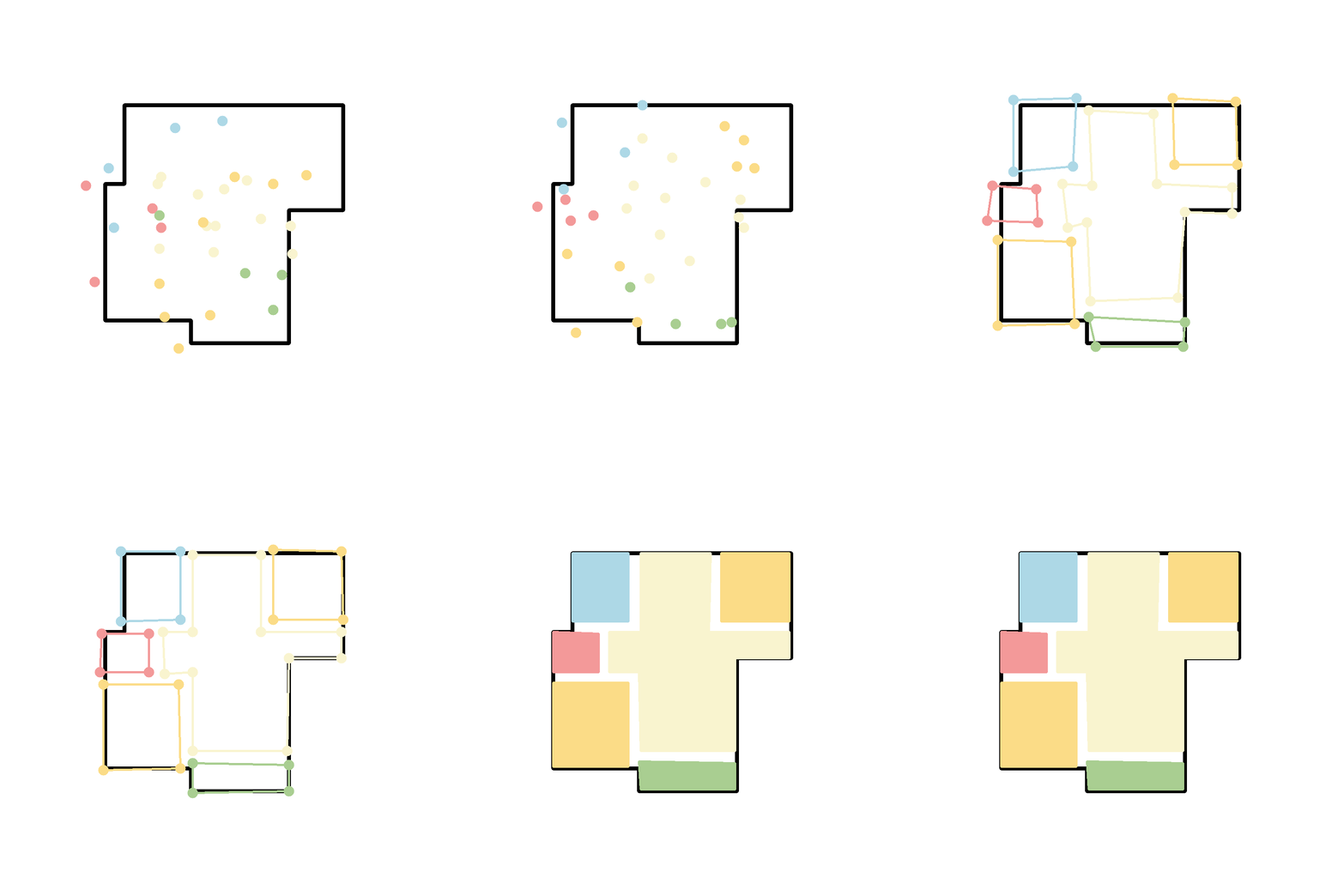
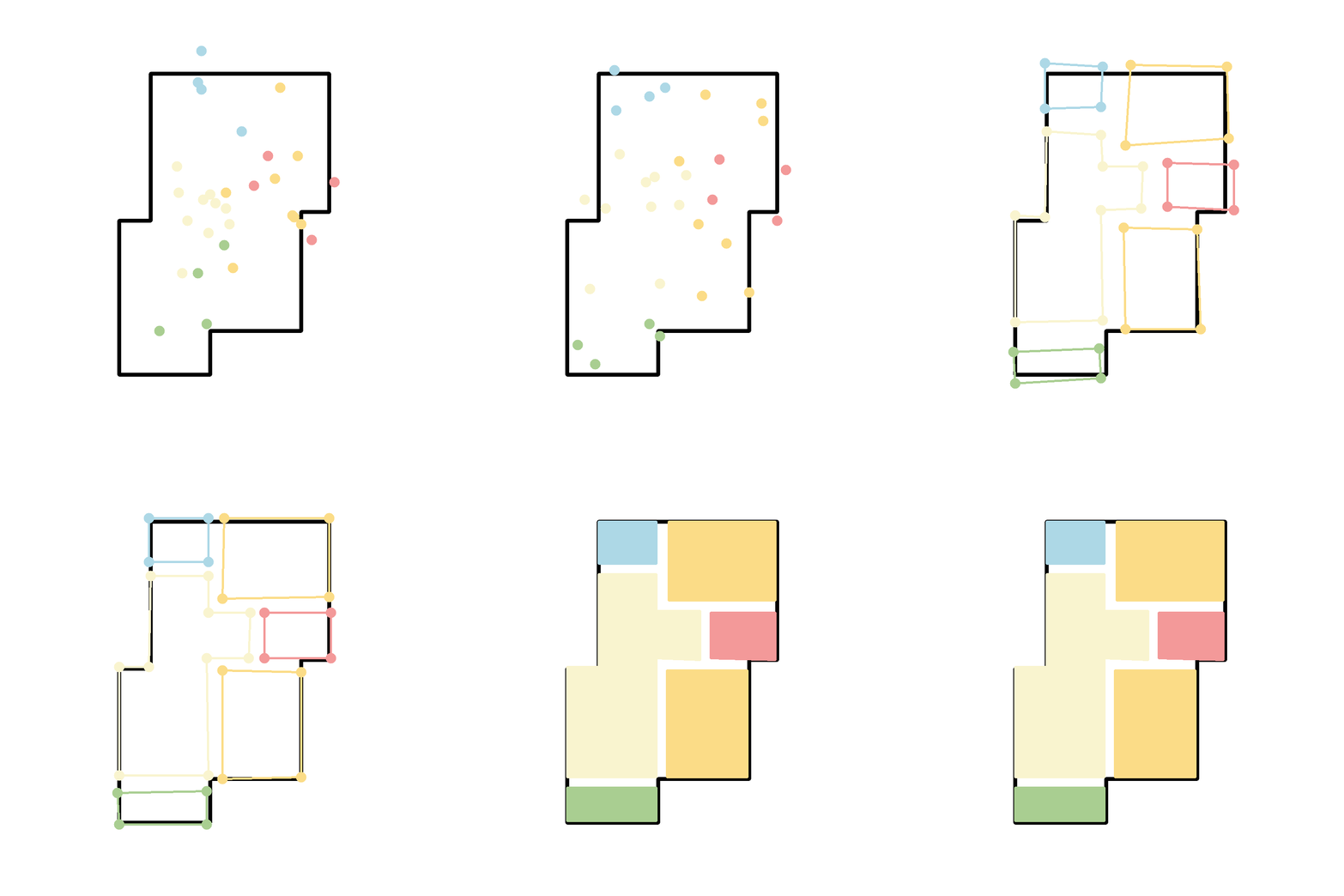
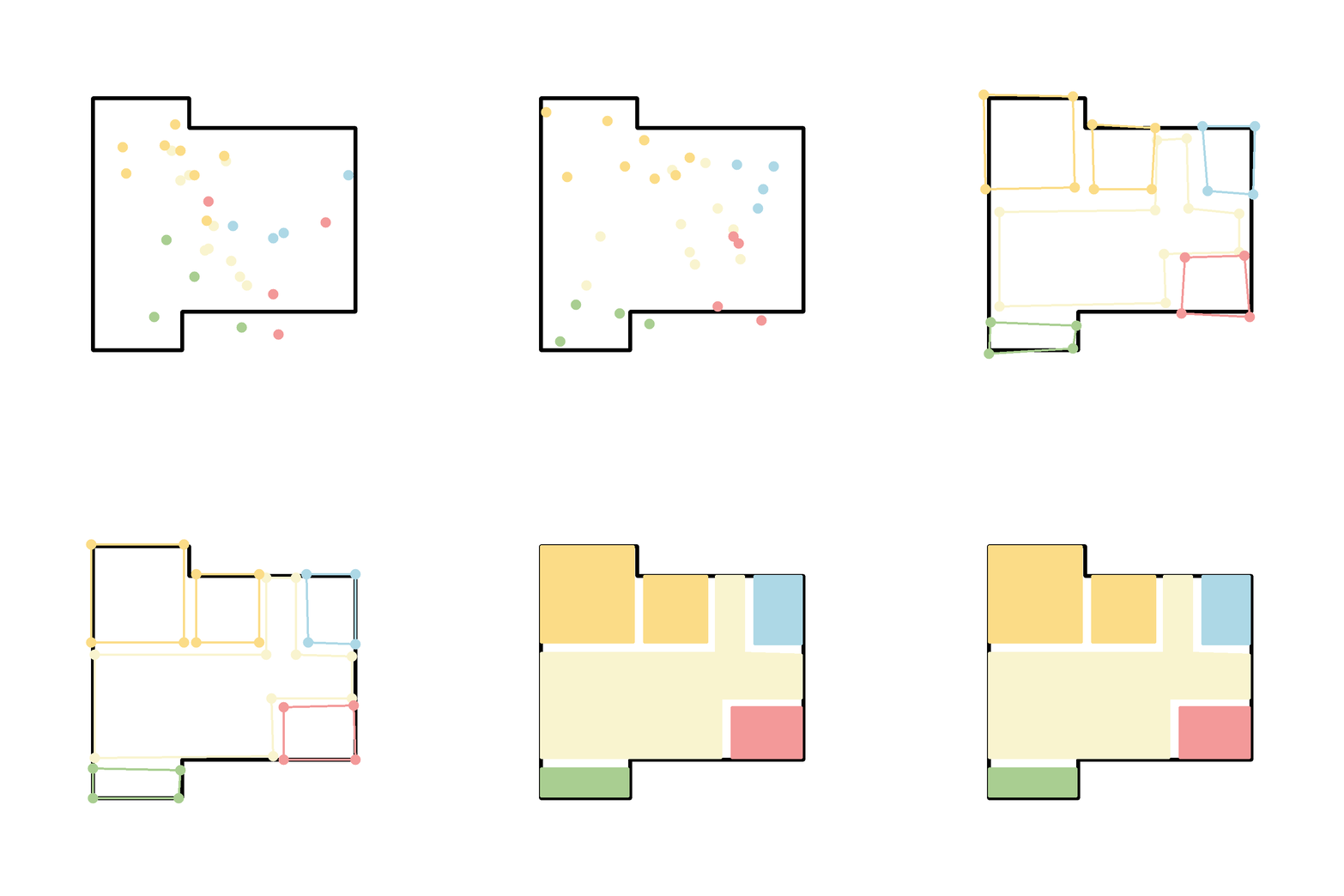
Editing prompt
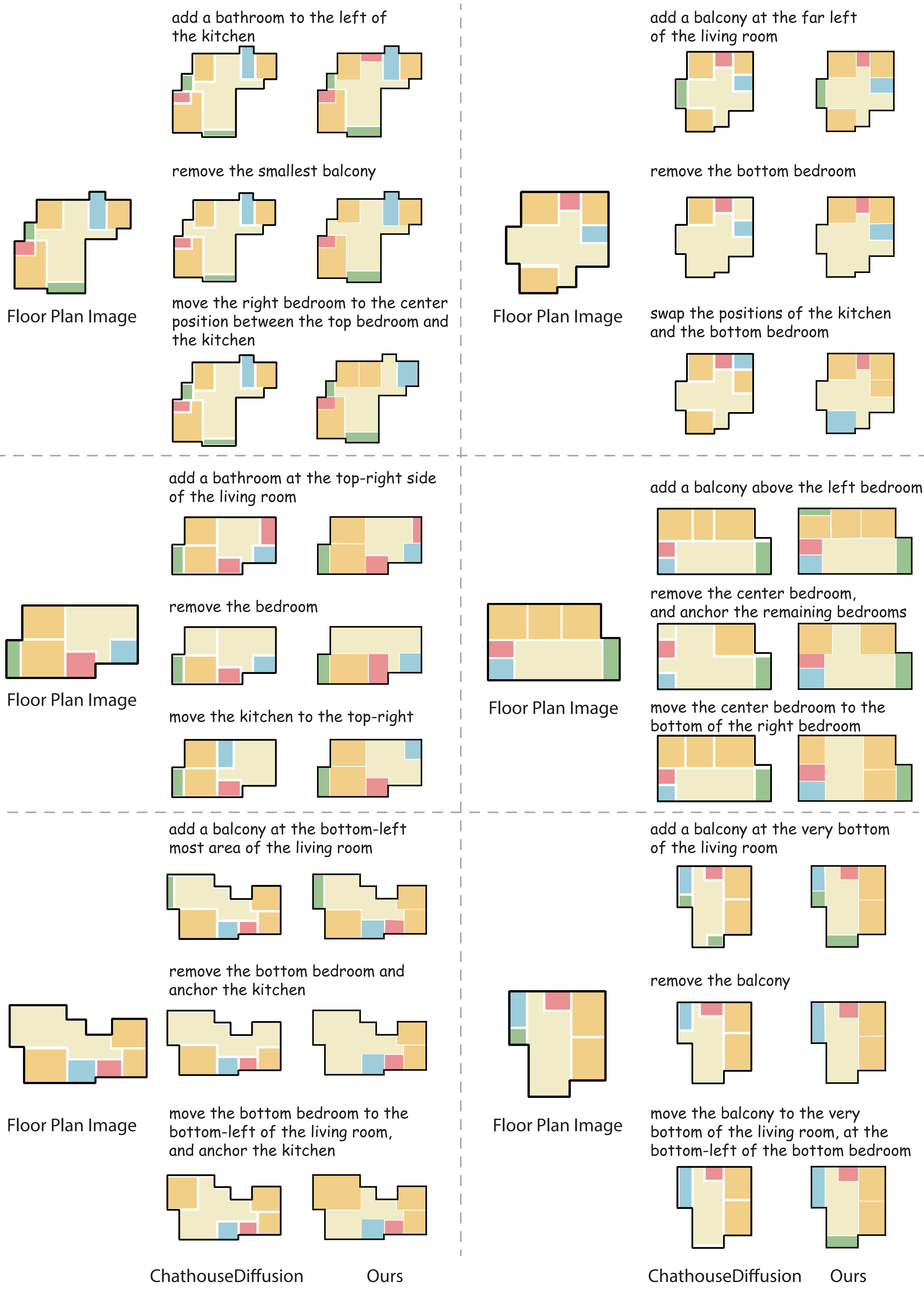
Add one balcony.
Remove one bedroom.
Anchor the balcony.
Swap bedroom and kitchen.
Input layouts






Editing results

@inproceedings{wang2026grediff,
  title     = {GRE-Diff: Gaussian Room Embeddings for Structured Layout Diffusion},
  author    = {Wang, Jing and Xiong, Haoran and Yan, Zihao and Gong, Minglun and Huang, Hui},
  booktitle = {European Conference on Computer Vision (ECCV)},
  year      = {2026}
}